Five Things Most Families Get Wrong About Protein at Dinner (And the Simple Fixes That Actually Stick)
From thinking plant proteins are incomplete to loading protein exclusively at dinner, household eating habits often contain common misconceptions that quietly undermine satiety and muscle maintenance. These are the most frequent protein myths identified in real family kitchen audits.

Registered Dietitian & Seasonal Nutrition Specialist · 19. 7. 2026 · 7 min čtení
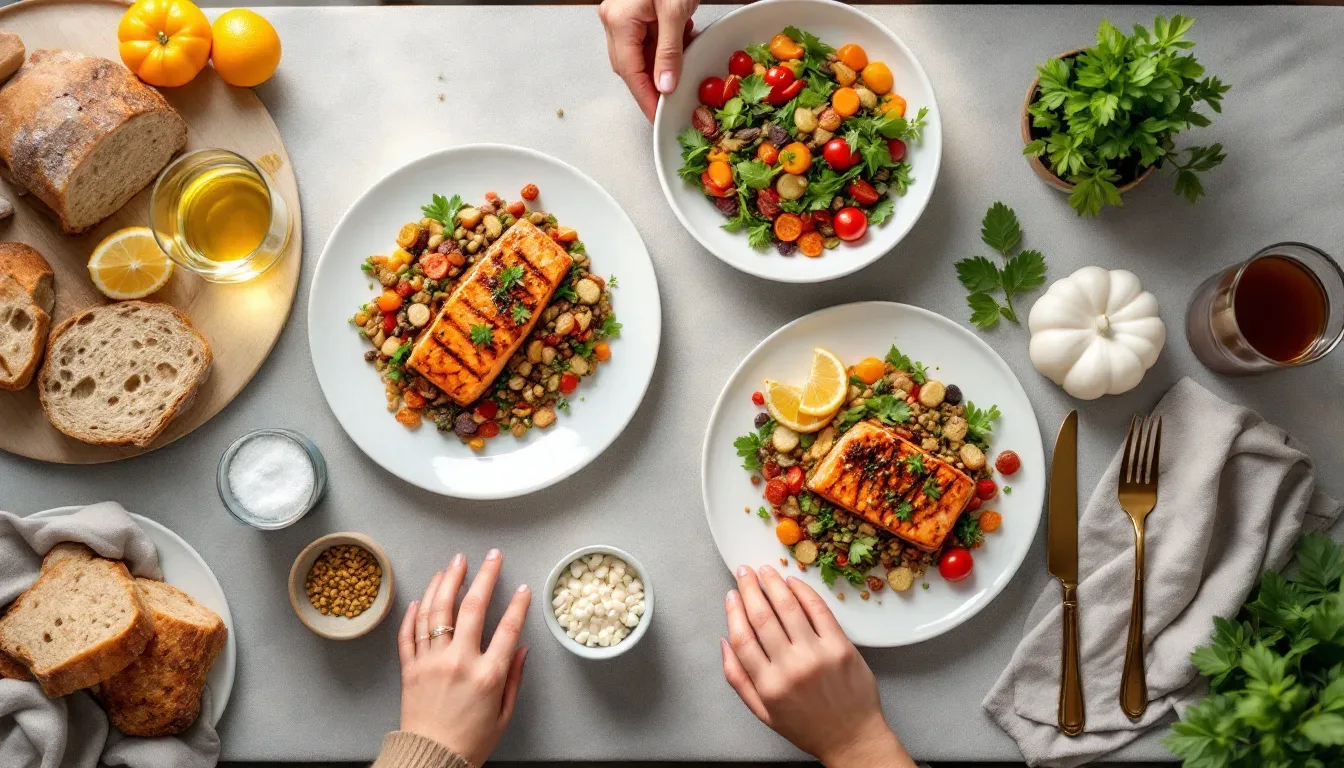
Most families think they’re doing protein right — there’s chicken on the plate, maybe some beans, and everyone goes to bed reasonably full. But a closer look at how households actually plan, distribute, and combine protein across the day reveals a surprisingly consistent set of habits that quietly work against steady energy, lasting fullness, and muscle maintenance over time. These aren’t obscure nutritional technicalities; they’re everyday patterns that are easy to spot once you know what to look for.
Mistake #1: Treating Dinner as the Main Protein Event
Walk into almost any family kitchen and you’ll find the same pattern: a light breakfast (maybe toast or cereal), a rushed lunch, and then a generous portion of meat or fish at dinner. It feels logical — dinner is the “real” meal, so that’s where the protein lives. The problem is that the body doesn’t store excess protein the way it stores energy from carbohydrates or fat. When you eat far more protein than your body can use in one sitting, the surplus doesn’t get saved for later muscle repair or satiety. It simply gets processed differently.
Spreading protein more evenly across all three meals tends to support steadier appetite control and gives muscles consistent raw material throughout the day — especially relevant for children who are growing and adults who are physically active.
The simple fix
Audit your breakfast first. Adding eggs, Greek yoghurt, cottage cheese, or a small handful of nuts to the morning meal is one of the most impactful shifts a family can make without changing anything about dinner at all.
Mistake #2: Believing Plant Proteins Are Incomplete — Full Stop
The idea that plant proteins are “incomplete” and therefore inferior has been repeated so often that many families treat it as settled fact. The reality is more nuanced. Yes, most individual plant foods contain lower amounts of one or more essential amino acids compared to animal proteins. But this doesn’t mean plant-based meals leave you short — it means the combination matters.
You don’t need to combine complementary plant proteins within the same meal. Eating a variety of plant protein sources across the day — legumes, whole grains, nuts, seeds, soy products — means your body has access to all the essential amino acids it needs.
Families who eat lentil soup for lunch and a tofu stir-fry for dinner are covering their bases perfectly well. The outdated rule about needing to pair rice and beans in the same bowl has been largely walked back by nutrition researchers, yet it still circulates in family WhatsApp groups as nutritional gospel.
Mistake #3: Underestimating Portion Sizes — in Both Directions
Protein portion distortion cuts two ways. Some family members pile their plates with large cuts of meat while others — particularly women and older children — end up with a modest side of protein that doesn’t come close to meeting their needs. Meanwhile, a serving of chicken about the size of a deck of cards looks almost comically small next to a mound of pasta, which makes it easy to dismiss as insufficient even when it’s actually reasonable.
What tends to work better than obsessing over exact grams is using a simple visual guide consistently:
- A palm-sized portion of meat, fish, or tofu per meal as a rough starting point for most adults
- Two eggs as roughly equivalent to a small palm-sized portion
- A generous scoop (about 150–200g cooked) of legumes such as chickpeas, lentils, or black beans
- A large pot of plain Greek yoghurt or cottage cheese for breakfast, not a tiny decorative dollop
- A small handful of mixed seeds or nuts added to salads or porridge — not a main source, but a useful top-up
Children’s portions should scale down, but the principle of including a meaningful protein source at every meal still applies, even for younger kids.
Mistake #4: Forgetting That Cooking Methods Matter
Protein itself doesn’t disappear when you overcook it, but how you prepare and pair protein foods genuinely affects how satisfying and nutritious a meal feels. A chicken breast that has been boiled into rubbery oblivion is technically still protein, but no one is going to eat enough of it. Palatability is a practical nutritional issue — food that doesn’t get eaten provides no benefit at all.
More subtly, drowning a decent protein source in heavy cream sauces, excessive salt, or highly processed additions (think battered fish fingers every night) shifts the overall nutritional profile of the meal in ways that accumulate over weeks and months. The protein is still there; it’s just arrived with a lot of uninvited company.
Practical approaches that actually work in busy kitchens
Batch-cook simple proteins at the start of the week — roasted chicken thighs, a large pot of lentils, hard-boiled eggs — so that assembling a balanced dinner is a matter of combining rather than cooking from scratch. Simple preparations like baking, grilling, or slow-cooking tend to preserve palatability without adding significant amounts of saturated fat or sodium.
Mistake #5: Assuming the Protein Problem Is Solved Once Meat Is on the Plate
This is perhaps the most widespread misconception: that any meal containing meat or fish automatically qualifies as a high-protein meal. A thin slice of ham on a pizza, a few prawns in a pasta dish, or a token strip of chicken in an otherwise carbohydrate-heavy bowl can all technically be described as “containing protein.” But when the rest of the plate is dominated by refined carbohydrates with very little fibre, the overall meal tends to produce a quick energy rise and a faster return of hunger than a more balanced plate would.
A genuinely protein-supported dinner is one where protein is a structural part of the meal rather than a garnish. This doesn’t require eating large amounts of animal foods — it just requires intentional planning so that protein, fibre (from vegetables and whole grains), and healthy fats are all meaningfully present.
Making the Fixes Stick as a Family
Knowing the mistakes is the easy part. Changing ingrained household habits is harder, especially when you’re cooking for people with different preferences, ages, and schedules. The families who tend to make lasting changes share a few things in common: they start with one shift at a time rather than overhauling everything at once, they make the new habit easier than the old one (batch cooking beats daily decision-making), and they frame changes around taste and practicality rather than health lectures at the dinner table.
A higher-protein breakfast is a good first target because it doesn’t require anyone to give anything up — it just adds something. From there, incorporating a legume-based meal once or twice a week, and checking that each plate has a meaningful protein source rather than a decorative one, tends to move the needle without creating conflict.
Časté dotazy
Do children need as much protein as adults?
Children need protein relative to their body size and growth stage, which means their absolute daily amounts are lower than for adults but are still important to distribute across meals. The principle of including a proper protein source at breakfast, lunch, and dinner applies at every age. If you’re concerned about a specific child’s nutritional needs, a paediatric dietitian is the right person to consult.
Is it really a problem to eat most of your protein at dinner?
It’s not a crisis, but it’s a missed opportunity. The body works with what it’s given in real time, so spreading protein intake more evenly across the day tends to support steadier fullness and gives muscles more consistent access to amino acids throughout a busy day. Shifting even 20–30% of your usual dinner protein to breakfast can make a noticeable difference in how satisfied you feel between meals.
Can a family eat well on mostly plant protein?
Yes, absolutely. A varied plant-based diet that includes legumes, whole grains, soy products (like tofu or edamame), nuts, seeds, and dairy or eggs if tolerated can meet the protein needs of most family members. The key is variety and intentionality — making sure plant proteins aren’t just side dishes but are genuinely central to meal planning. Vitamin B12 is worth paying attention to for those avoiding all animal products, and a healthcare provider can advise on whether supplementation makes sense.
Claire has spent over a decade helping families redesign their kitchens and meal rhythms around seasonal produce and metabolic science. She believes that eating with the calendar is one of the most underrated health tools available.