What Summer Sweat Is Actually Telling You About Your Metabolism (And Why Most People Misread the Signal)
Dehydration in hot months is frequently mistaken for hunger, stalling weight management efforts before they begin. Understanding the direct link between hydration status, metabolic rate, and appetite regulation in summer is more actionable than it might sound.

Metabolic Health Writer & Certified Health Coach · 27. 7. 2026 · 6 min čtení
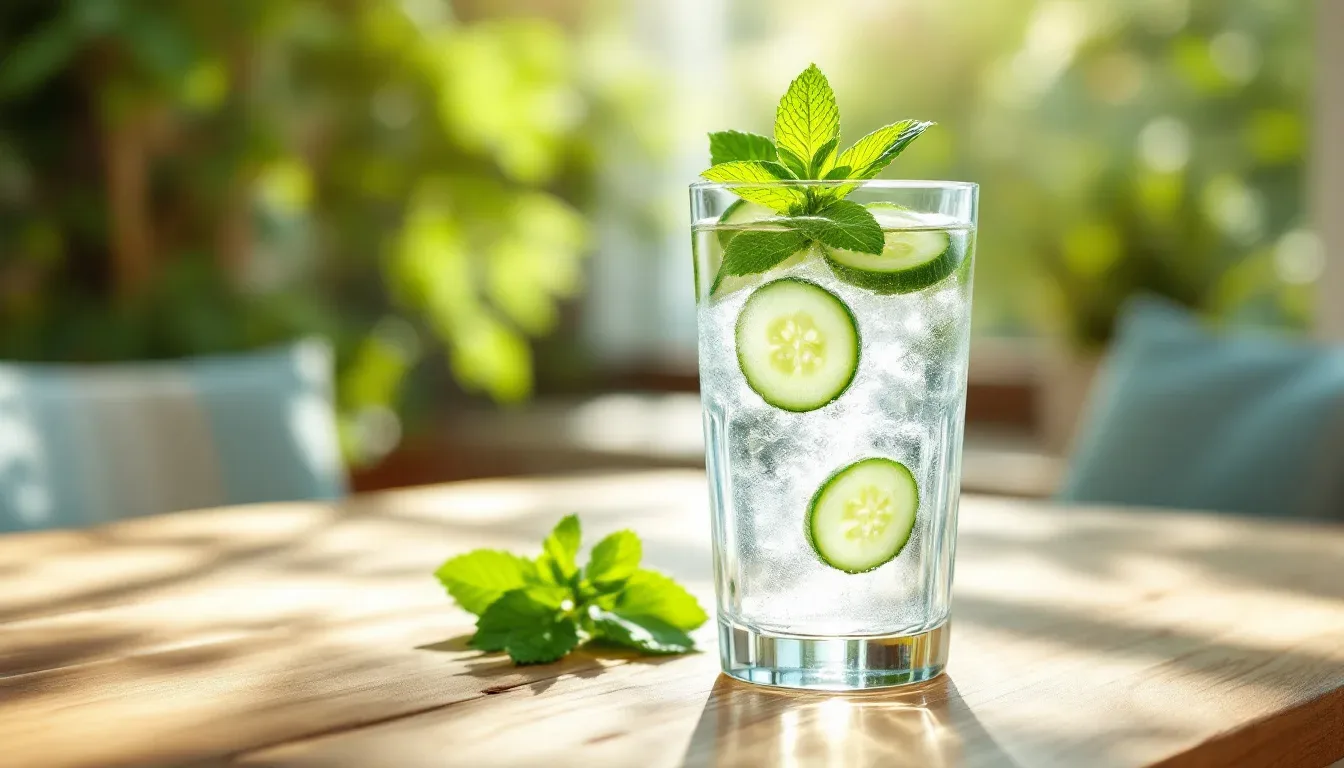
Summer has a way of making the body louder. You step outside, the heat hits, you start sweating — and somewhere around mid-morning, a persistent, nagging feeling creeps in that most people immediately label as hunger. They reach for a snack, wonder why their energy is flat, and quietly blame their willpower. But the signal your body is actually sending is far more specific, and once you learn to read it correctly, a surprising number of frustrating patterns in your summer routine start to make sense.
Why Your Brain Confuses Thirst and Hunger
The mix-up between thirst and hunger isn’t a personal failing — it’s biology. The hypothalamus, the region of the brain that regulates both appetite and thirst, processes these signals in overlapping circuits. When hydration dips, the thirst signal is real but often subtle, especially if you’ve spent years habitually reaching for food between meals rather than water. Over time, the brain essentially defaults to the hunger interpretation of that low-level discomfort.
Summer amplifies this confusion dramatically. Higher temperatures mean your body loses fluid not just through obvious dripping sweat but also through increased respiration and skin evaporation that you don’t even notice. By the time you feel the familiar midday “hunger,” you may have been mildly dehydrated for hours — not starving, just dry.
What Dehydration Actually Does to Your Metabolic Rate
Here’s where it gets genuinely interesting for anyone trying to manage their weight during warmer months. Metabolism — the sum of all the chemical processes your body runs continuously — depends on water in a surprisingly direct way. Many of those processes, including the breakdown of stored fat and the conversion of food into usable energy, require adequate hydration to run efficiently.
When you’re even mildly dehydrated, the body prioritises conservation. Cellular processes slow slightly. Energy production becomes less efficient. The liver, which plays a key role in fat metabolism, also picks up slack for the kidneys when fluid levels drop — and that means it has less capacity to focus on breaking down fat stores. None of this is catastrophic, but on a daily basis, across weeks of a hot summer, it quietly chips away at the metabolic momentum you’re trying to build.
Hydration isn’t a wellness buzzword. It’s a basic operational requirement for the metabolic machinery your body runs on every single day.
Sweat Is Information, Not Just Inconvenience
Most people treat sweating as a nuisance — something to manage with better deodorant or lighter clothing. But sweat is one of the body’s most honest feedback mechanisms. How much you sweat, and how quickly, reflects a combination of your current core temperature, your cardiovascular fitness, the ambient humidity, and yes, your hydration status.
A well-hydrated person actually sweats more efficiently. The body can initiate cooling earlier and more precisely when it has plenty of fluid to work with. Conversely, when you’re dehydrated, the cooling system lags. Your core temperature rises more, your heart works harder to circulate blood to the skin, and your perceived effort during any physical activity increases — even something as low-key as a walk to the shops. This is why summer can feel so exhausting even on days when you haven’t done anything particularly strenuous.
Appetite Regulation in the Heat: What Changes and Why
It’s common to notice that appetite genuinely shifts in summer. Some people eat less without trying; others find themselves grazing constantly. Both responses can have a hydration component underneath them.
The appetite-suppressing effect of heat is partly real — elevated body temperature does blunt hunger to some degree, which is why nobody craves a heavy stew in July. But the constant snacking pattern is often dehydration-driven hunger confusion, compounded by blood sugar fluctuations that happen when meals are smaller or skipped in the heat. The body interprets the resulting energy dip as a reason to eat, when what it often needs is water and a balanced, cooling meal.
Electrolytes are part of this picture too. Sweat carries sodium, potassium, and magnesium out of the body. When these drop, you may notice cravings for salty or processed foods — a signal that mineral balance needs attention, not just fluid volume.
Practical Ways to Recalibrate Your Summer Hunger Signals
The good news is that getting clearer on what your body is actually asking for requires no special equipment and no dramatic lifestyle overhaul. A few consistent habits tend to make a significant difference:
- Drink water before you assess hunger. When a between-meal craving appears, drink a glass of water and wait 15–20 minutes before eating. If the sensation passes or reduces, it was thirst.
- Front-load your fluids in the morning. Rehydrating after sleep before heat exposure begins makes the rest of the day easier for your body to manage.
- Eat water-rich foods. Cucumber, watermelon, tomatoes, leafy greens, and citrus fruits contribute meaningfully to daily fluid intake and offer nutrients that support electrolyte balance.
- Don’t rely on thirst alone as your only indicator. In hot weather, thirst often appears after mild dehydration has already set in. Pale yellow urine is a more reliable ongoing signal.
- Add a small amount of natural salt to meals if you sweat heavily — particularly if you exercise outdoors. This helps the body retain and use fluid more effectively rather than excreting it rapidly.
- Space meals consistently even when appetite feels irregular. Skipping meals in the heat often leads to energy crashes that cycle into overeating in the evening.
Movement in Summer: Keeping Momentum Without Burning Out
One of the more practical seasonal adjustments worth making is shifting active movement to the cooler parts of the day — early morning or evening — rather than fighting the peak afternoon heat. This isn’t about doing less; it’s about working with the body’s thermoregulatory load rather than stacking demands on top of it.
When you hydrate well before movement, continue drinking during longer sessions, and replenish afterwards with both fluid and a small amount of food, recovery is faster and the next day’s energy is better preserved. The summer metabolic plateau many people experience often has as much to do with cumulative underhydration across active days as with calories or effort.
Časté dotazy
How much water should I actually drink in summer compared to other seasons?
There’s no single number that fits everyone, because it depends on body size, activity level, humidity, and how much you sweat. A useful practical guide is to aim for urine that stays a pale straw yellow throughout the day — darker suggests you need more fluid, very clear suggests you may be overdoing it and flushing out electrolytes. As a rough starting point, most adults benefit from increasing their baseline intake by at least a couple of glasses per day on hot or active days compared to cooler periods.
Can drinking more water genuinely support weight management in summer?
Adequate hydration supports the metabolic processes involved in energy use, helps your body distinguish real hunger from thirst-driven cravings, and reduces the likelihood of unnecessary snacking driven by dehydration signals. It’s not a weight loss mechanism on its own, but it removes a common and underappreciated obstacle to consistent, sustainable weight management — particularly in summer when the confusion between thirst and hunger is most pronounced.
Are sports drinks necessary if I’m sweating a lot?
For most everyday activity in the heat, plain water combined with a balanced diet that includes naturally salty and mineral-rich foods is sufficient. Sports drinks become more relevant in the context of sustained, intense exercise lasting over an hour or in conditions of very heavy sweating where electrolyte losses are significant. For a daily walk, gardening, or moderate summer activity, focus first on consistent plain water intake and include foods like bananas, nuts, and leafy greens to support mineral balance naturally.
Priya combines her background in biochemistry with practical health coaching to translate complex metabolic research into actionable everyday habits. She focuses especially on how cultural food traditions and family dynamics intersect with long-term weight management.